Liquid Filling Machine
What a liquid filling machine actually does?
It puts a measured amount of liquid into a container, over and over, without drifting.
That is the whole job. The conveyor, the touchscreen, the stainless frame — supporting cast. Only two things decide whether the machine is worth its price: how it measures product, and how it gets that product into the bottle without making a mess on the way in.
So here is the order that matters. Product first. Container second. Speed third. Flip that order and you will end up owning a fast machine that whips your shampoo into foam and leaves a puddle on the conveyor.
Water-thin liquids go through flow meters or gravity fillers. Creams, gels, sauces — piston or lobe pumps. Sterile drugs and aggressive chemicals push most buyers toward peristaltic or net weight designs. Every other decision hangs off that one. (If you are still weighing liquid against paste or powder, start one level up at the filling machine category instead.)
How to define the metering and delivery functions of a liquid filling machine?
Split any filler in half and the buying mistakes become obvious, because they almost always come from obsessing over one half and forgetting the other.
Metering decides how much liquid leaves the nozzle. Could be a piston, a flow meter, a load cell, a fill level in a tank. Accuracy is won here.
Delivery is the plumbing and timing between pump and bottle. Nozzle geometry, dive-and-rise motion, anti-drip valves, how the conveyor indexes against the fill cycle. You can bolt a ±0.5% pump onto a careless line and still ship wet bottles all day.
Six metering technologies, and where each one actually earns its keep
〔Piston fillers〕
The piston draws product on the upstroke, pushes it out on the downstroke. Stroke length sets volume, and because the stroke repeats identically, accuracy holds through a shift. Add a servo drive and you are looking at roughly ±0.5%.
Viscosity is barely a constraint. A well-chosen piston head will run orange juice in the morning and a 40,000 cP body butter after lunch without a pump change.
What you pay for is changeover. New fill volume, new piston set. Cleaning means stripping the head down by hand — quick-release designs turn that into a ten-minute job, bolted designs turn it into an hour.
〔Flow meter fillers〕
A meter counts what passes and shuts the valve at the setpoint. Nothing touches the product except the meter body. No pistons to strip. Accuracy can reach 0.2%, and rotary machines running water, oils and thin chemicals hit 300 bottles a minute.
Now the catch, and it is a real one: flow meters want a predictable, non-foaming product. Give them something with pulp and you will chase readings all afternoon. Give them something that froths and the numbers stop meaning much.
〔Peristaltic fillers〕
Product travels through tubing. Nothing metallic touches it. That single property is why diagnostics labs, reagent makers and sterile pharmaceutical lines keep buying them. Typical range lands between 50 ml and 1,100 ml, accuracy around 1–2%.
Budget for tube replacement — it is a consumable and it does not last forever. For a lab running twenty different formulations, though, avoiding a full clean-down between each one usually pays the tubing bill several times over.
〔Gear and lobe pumps〕
Lobe pumps are machined to tight tolerance, tolerate high pressure, and fill from about two ounces up to a gallon. 3A dairy rating explains why yogurt, sauces and dairy drinks dominate their application lists. Expect 1% or better accuracy, and no complaints about viscous product.
Gear pumps are the budget workhorse: car wash concentrate, cleaning chemicals, beverages, volumes up to roughly 20 litres. Cheap, easy to strip, quiet in operation. Two limits — they are the least accurate of the group, and they need gravity feed because the design cannot pull from a floor-level tank.
〔Gravity and overflow fillers〕
Let the product fall to a set level. Nothing clever, which is exactly why they are cheap, gentle on product and hard to break. Overflow versions raise the fill head so every bottle reaches the same line even when container volumes vary. Both handle thin liquids and light gels; neither is much use on foam.
〔Net weight fillers〕
Load cells under the container; the machine fills to a target weight. This is the most verifiable method going — you are measuring the thing you actually sell. Pharmaceuticals, cosmetics and industrial chemicals lean on it for that reason. One pail-filling unit shown at a recent industry roundup managed sixteen five-gallon pails a minute, four at a time. For drums and pails, net weight is the sane default.
| Technology | Typical accuracy | Viscosity range | Best volume band | Speed |
|---|---|---|---|---|
| Servo piston | ±0.5% | Thin to very thick | 5 ml – 5 L | Medium–high |
| Flow meter | 0.2% or better | Thin, non-foaming | 50 ml – 5 L | High (to ~300 bpm) |
| Peristaltic | 1.0% – 2.0% | Thin to medium | 50 ml – 1,100 ml | Low–medium |
| Lobe pump | 1.0% or better | Medium to thick | 60 ml – 1 gal | Medium |
| Gear pump | Lowest of the group | Thin to medium | Large, to ~20 L | High |
| Gravity / overflow | Level-based | Thin to gel | 100 ml – 5 L | Medium |
| Net weight | Weight-exact | Any pumpable | 1 L – 200 L+ | Low–medium |
How to choose the right liquid filling machine?
1. Measure viscosity at both temperatures. Cold product is thicker. Viscosity at 8°C can run double what it is at 25°C, and a pump picked on the warm number will starve in a cold room.
2. Shake the bottle. If it builds a foam head, cross gravity fillers and high-speed flow meters off the list before you go any further. You will want dive nozzles, bottom-up filling, or a slower fill profile. Foam is the single most expensive surprise in this category.
3. Settle the container before you talk about the machine. Neck diameter. Height range. Does it stand unsupported on a moving conveyor? Irregular shapes, tall thin vials and spouted pouches drive change-part cost harder than anything else on this page.
4. Convert your target speed honestly. Take the bottles per hour you want, then divide by minutes you really have. Breaks, changeovers and jam clearing eat 15–25% of a shift on most filling lines. Build that in or the machine will look slow from day one.
5. Write down the accuracy you can actually sell. 500 ml of serum at ±1% is ±5 ml. Fine. A 10 ml vial at ±1% is ±0.1 ml — different pump, different budget, different conversation entirely.
6. Count your SKUs before you count the features. More than four or five bottle sizes a month? Quick-release nozzles, recipe memory on the HMI and tool-free pump heads will save you more time than a faster cycle ever will.
How to Choose the Right Liquid Filling Machine for Different Industries?
Pharmaceutical and diagnostic filling sits under Good Manufacturing Practice, so expect questions about cleaning validation, batch records and contact-part documentation — a shortlist that usually ends up as peristaltic, servo piston or net weight.
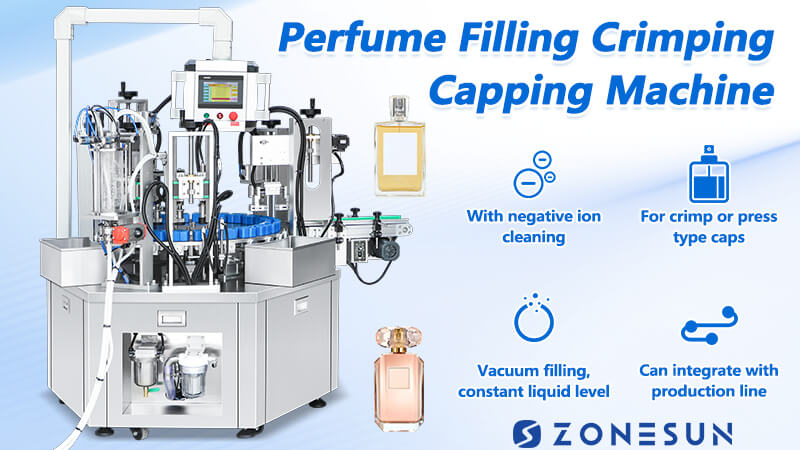
Cosmetics and personal care fight the opposite battle. Perfume, serum, nail polish, lotion — thin, expensive and prone to foaming. Anti-drip nozzles and gentle fill profiles earn their keep here, and accuracy expectations run high because every millilitre carries real margin.
Food and beverage splits by product. Dairy gravitates to lobe pumps; sauces, juices and oils spread across piston, gravity and flow meter designs. Sanitary construction and cleanability are not optional extras in this segment.
Chemicals and industrial liquids — solvents, detergents, car care, agrochemicals — put corrosion-resistant wetted parts, drip containment and drum-scale net weight filling at the top of the spec sheet.
How do you choose the right type of equipment—semi-automatic or fully automatic?
A semi-automatic machine fills one container at a time while an operator loads and unloads. Cheap, quick to change over, and frankly the right answer below about 1,000–2,000 units a shift.
Automatic machines index containers under multiple nozzles on a conveyor. Output jumps — often 2,000 to 6,000+ bottles an hour — but you are no longer buying a machine. You are buying a line: infeed, filling, capping, labelling, and the controls that keep all four in step.
There is a sensible middle path, and it is the one most workshops take. Buy a semi-automatic filler and a separate semi-automatic capper. Prove the product. Upgrade to a monoblock once demand is real and not before.
What ZONESUN builds in this category?
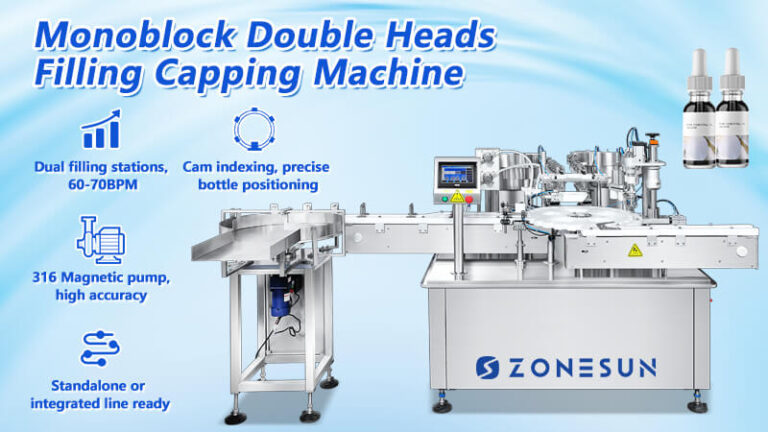
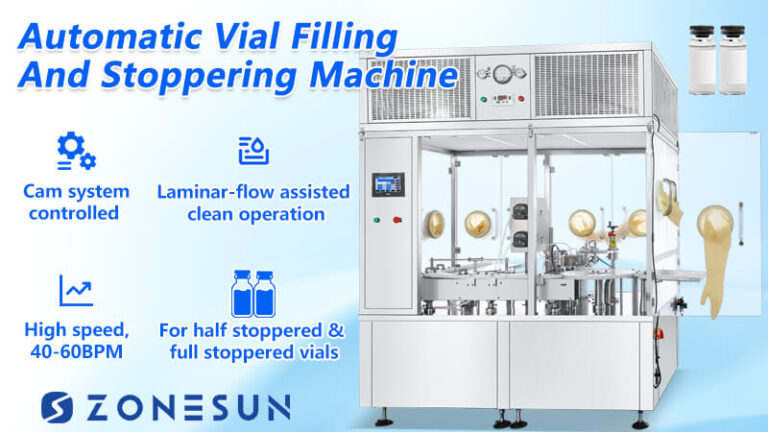
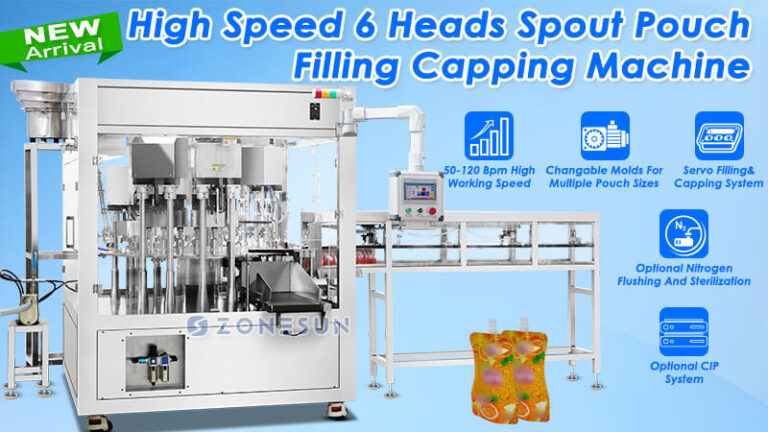
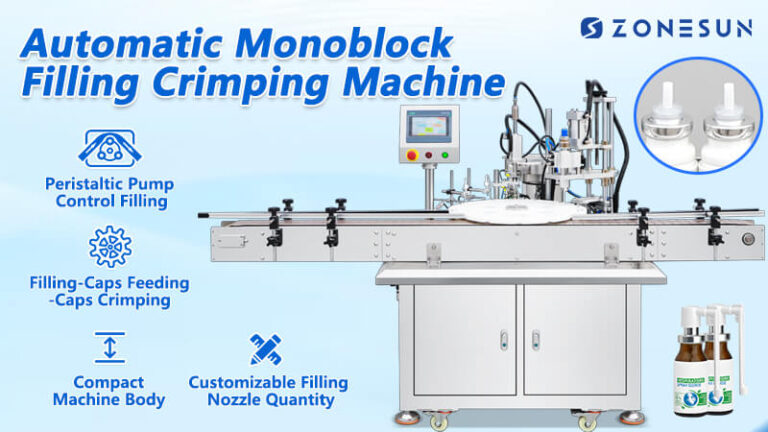
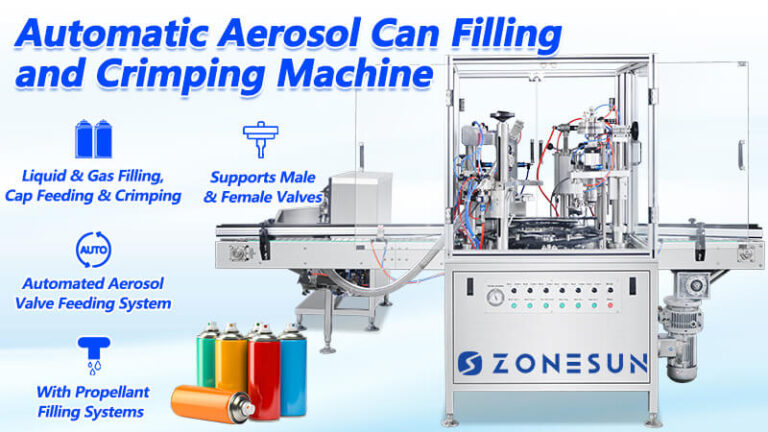
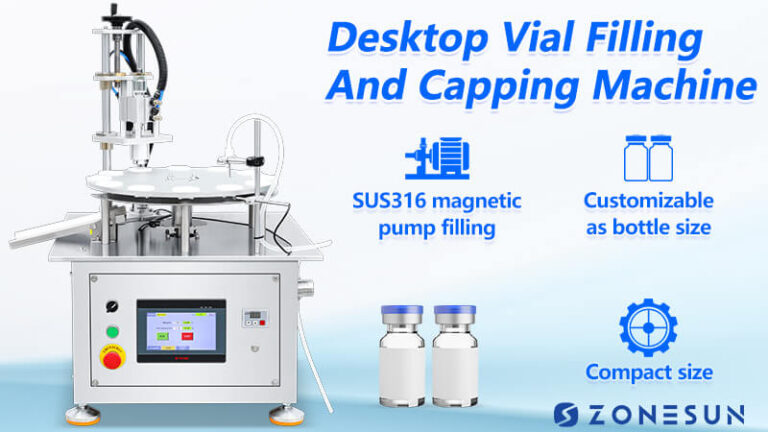
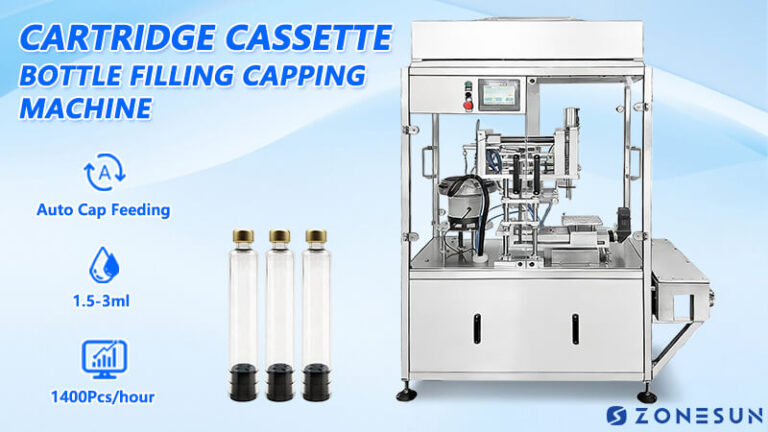
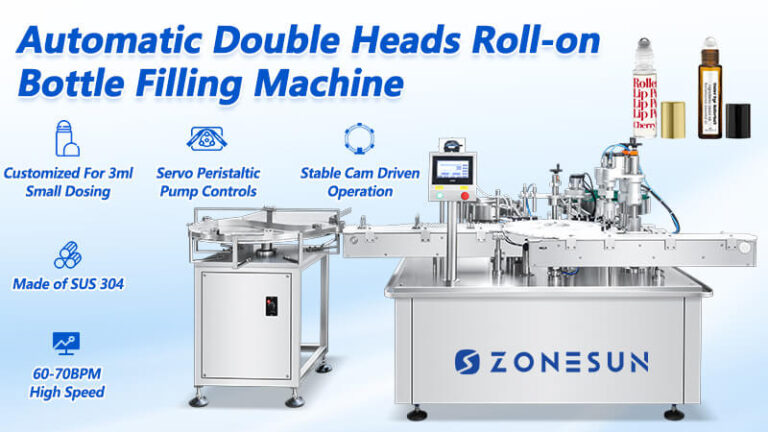
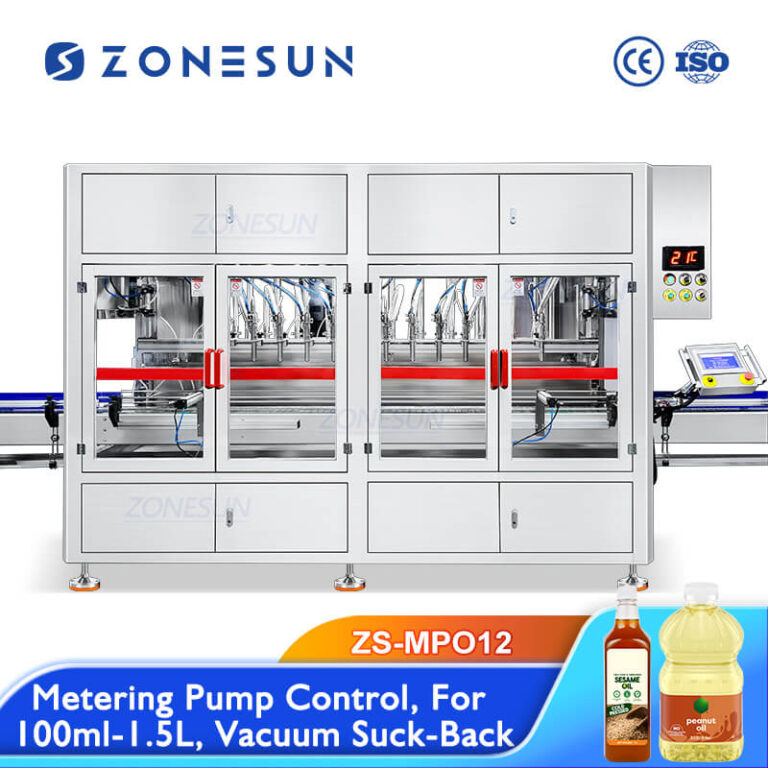
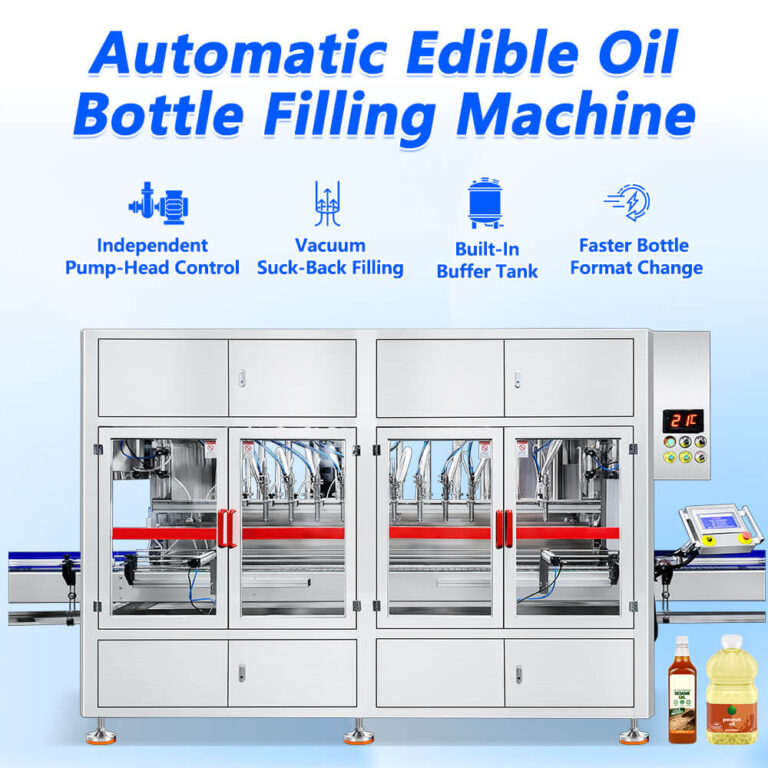
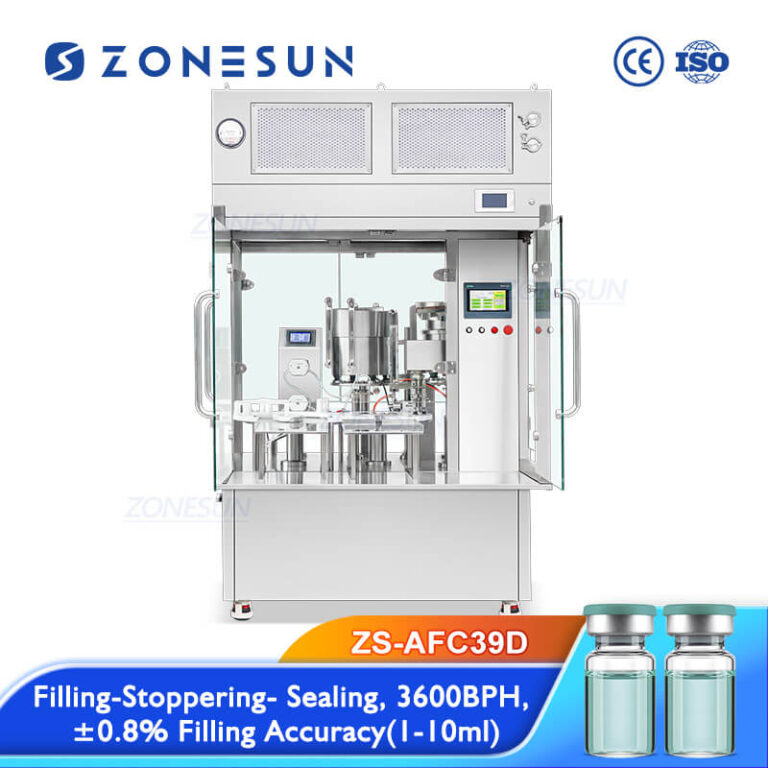
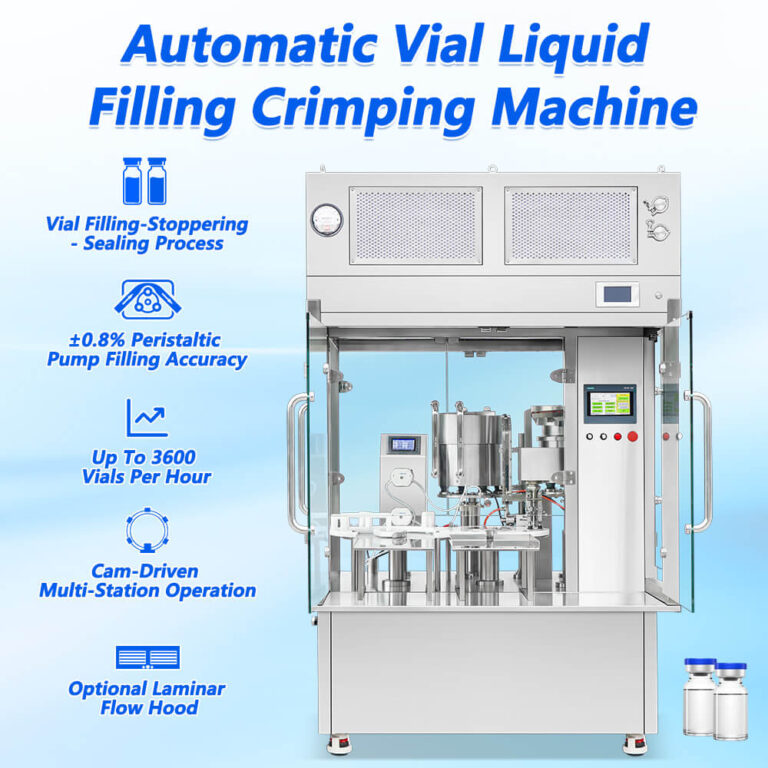
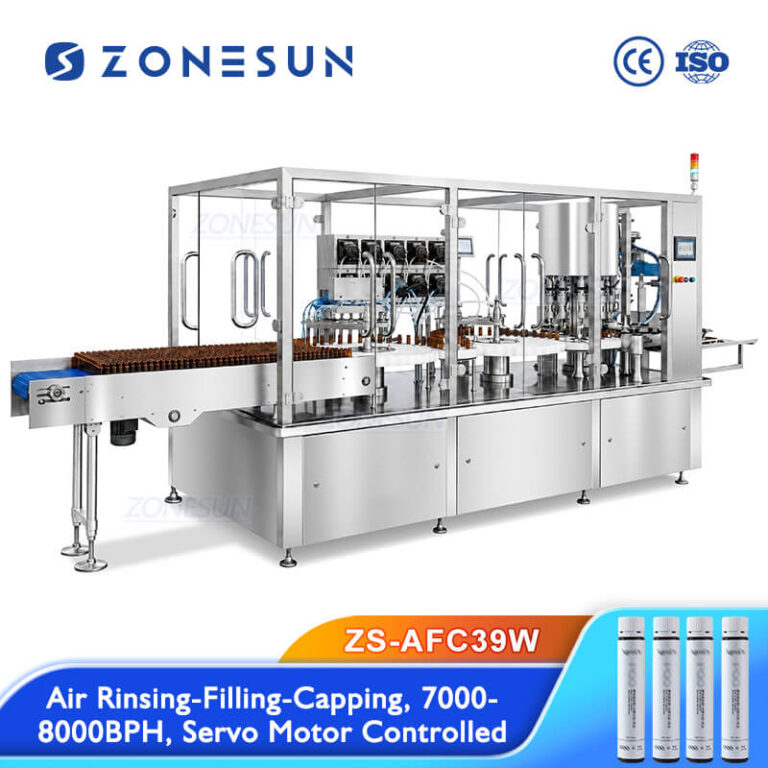
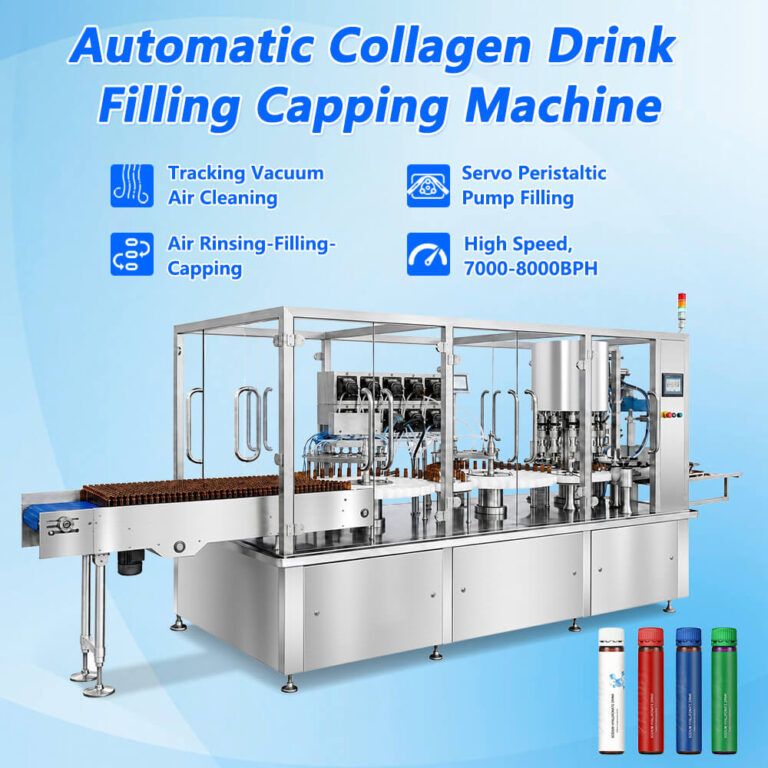
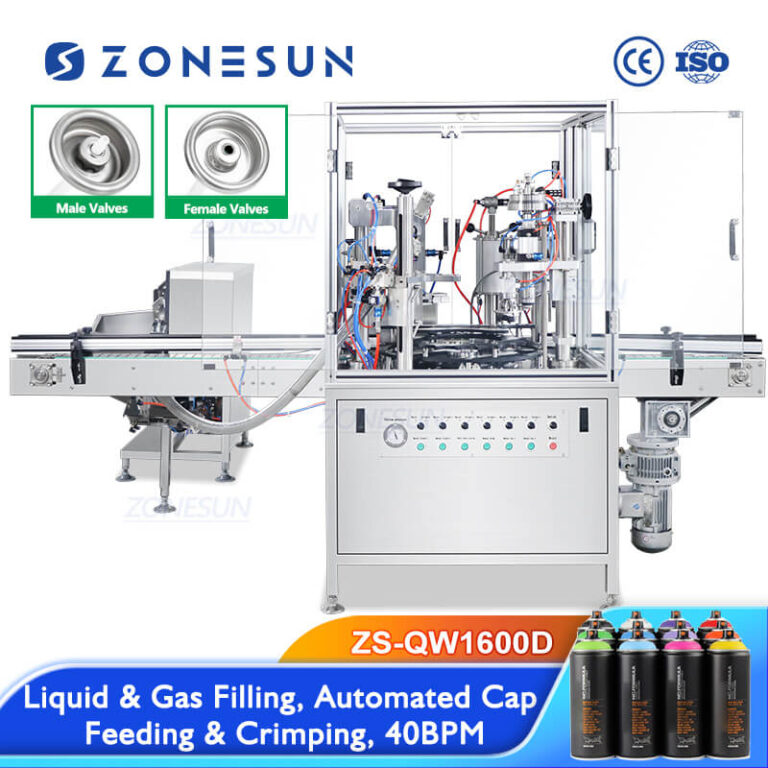
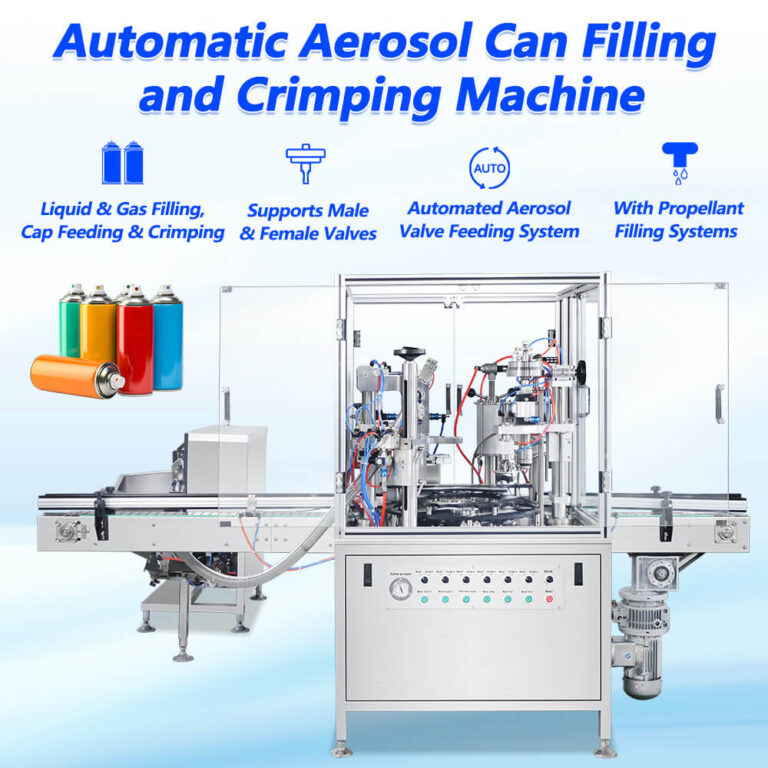
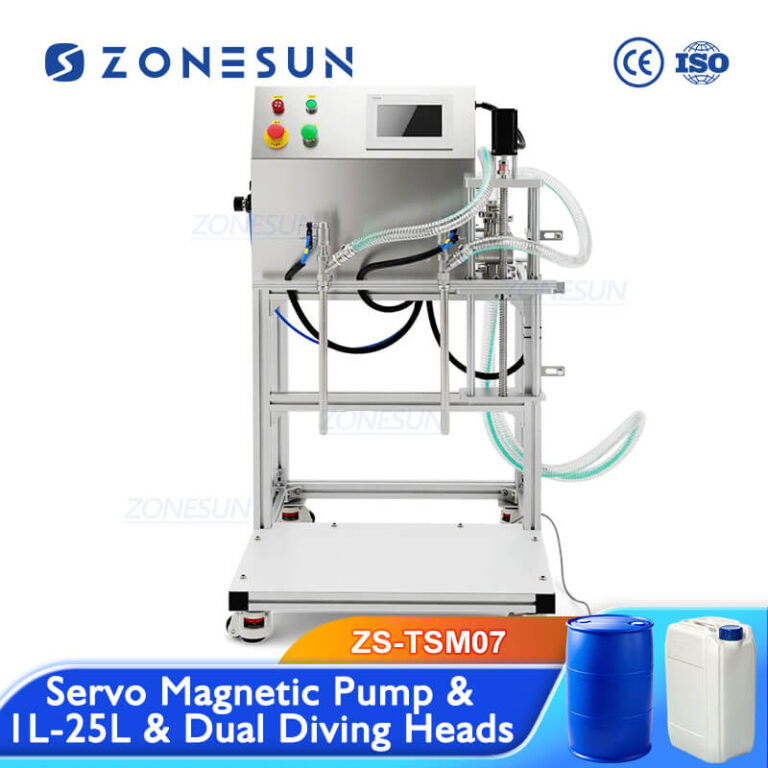
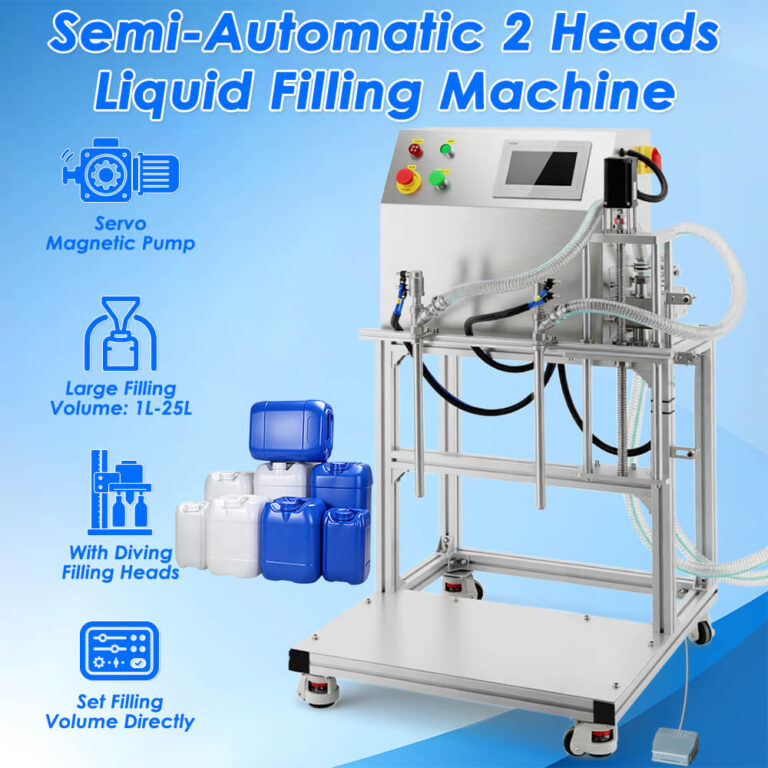
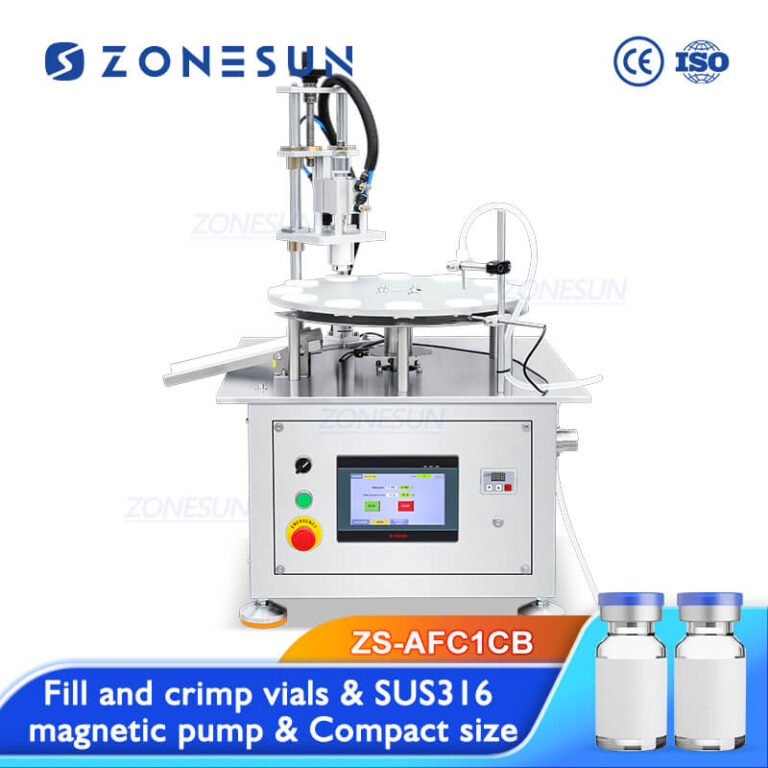
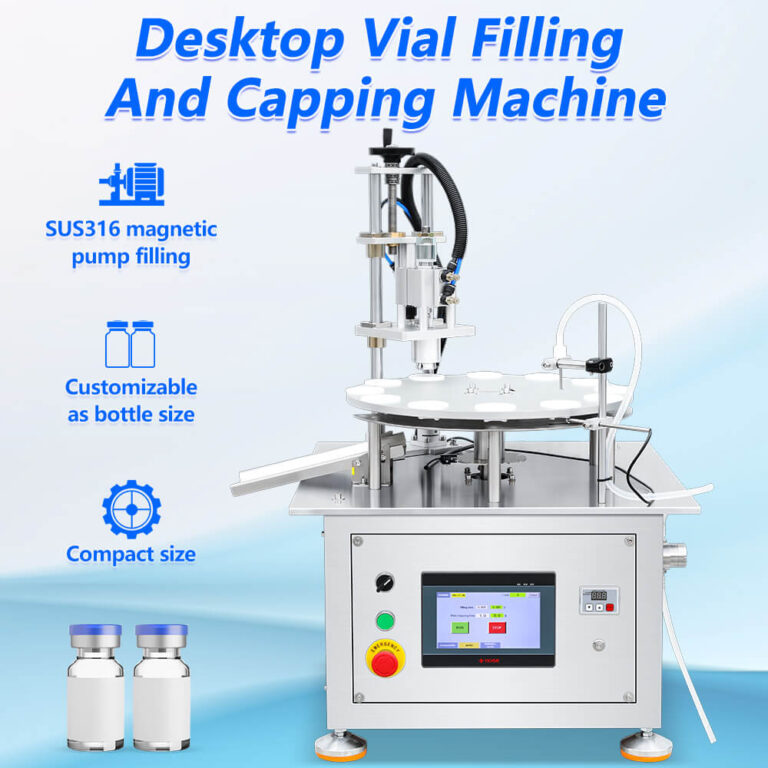
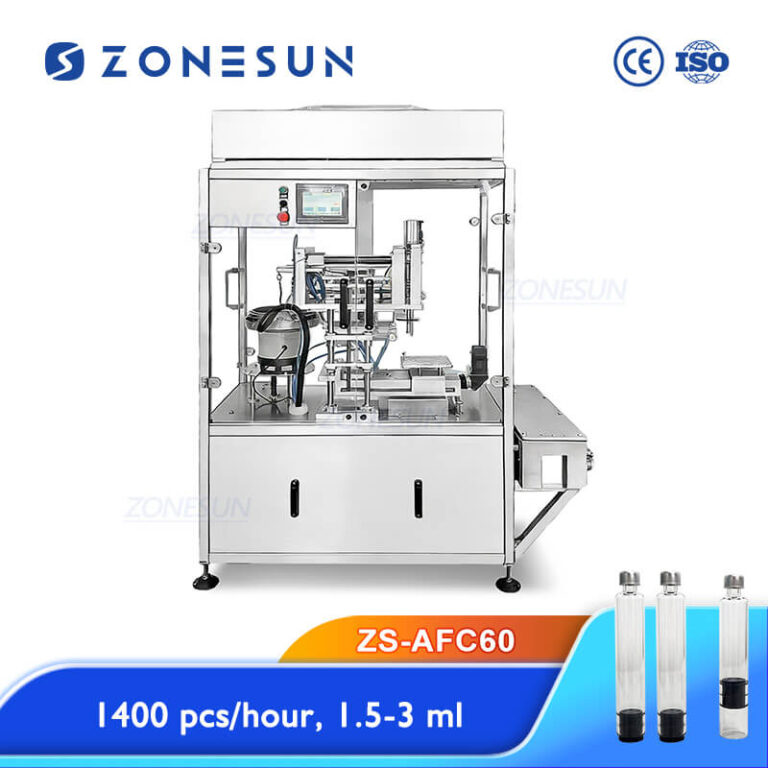
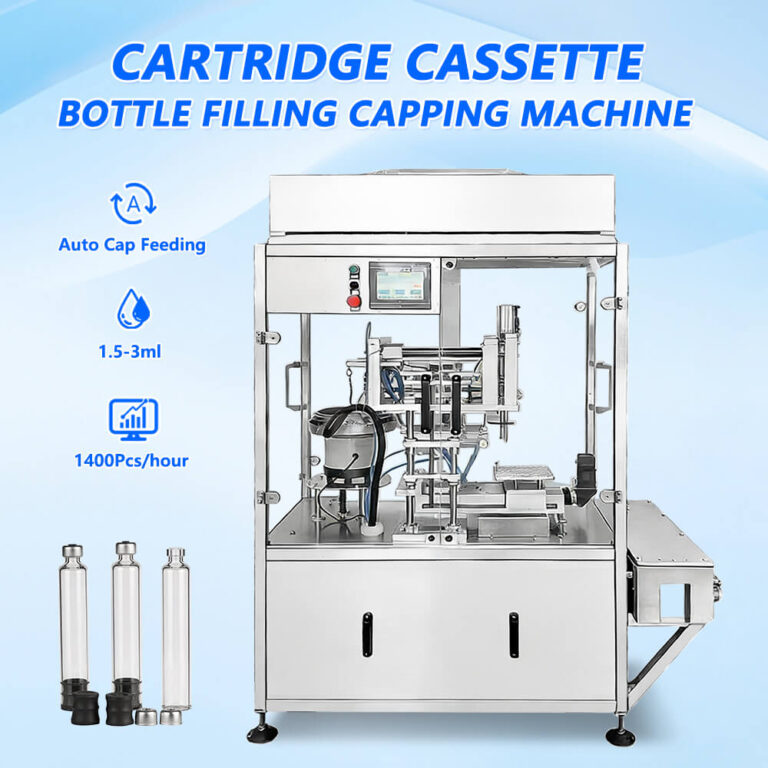
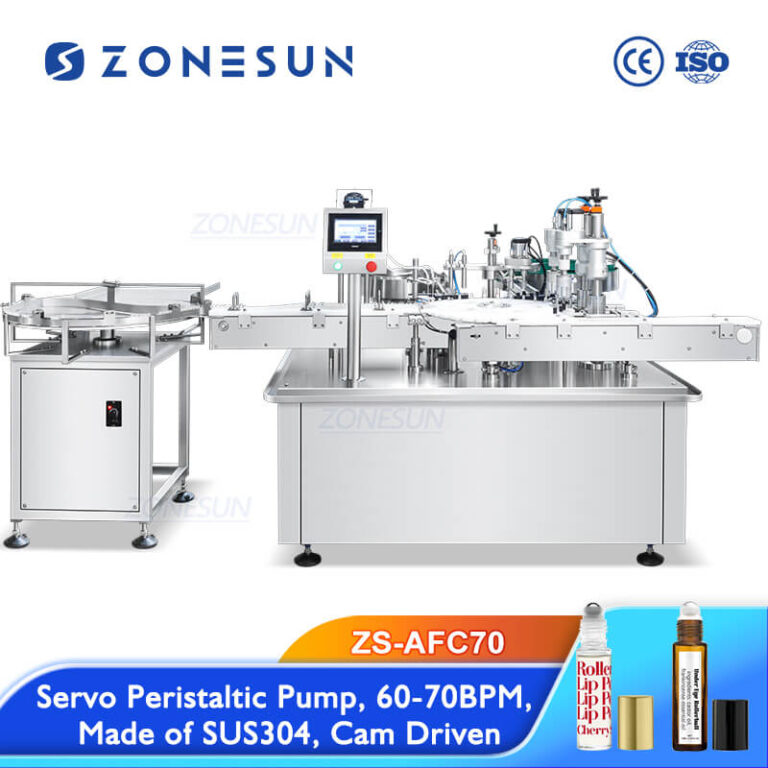
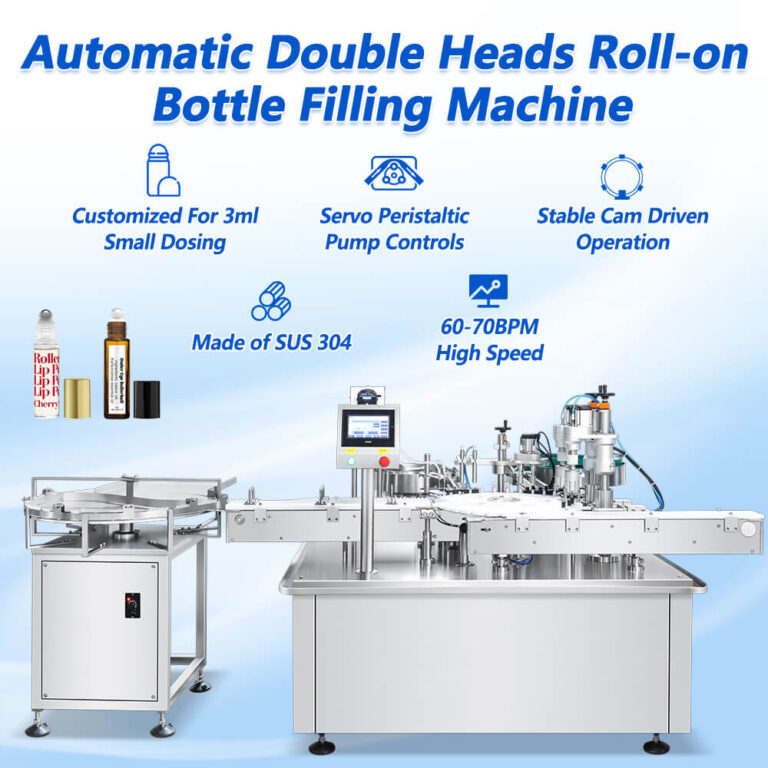
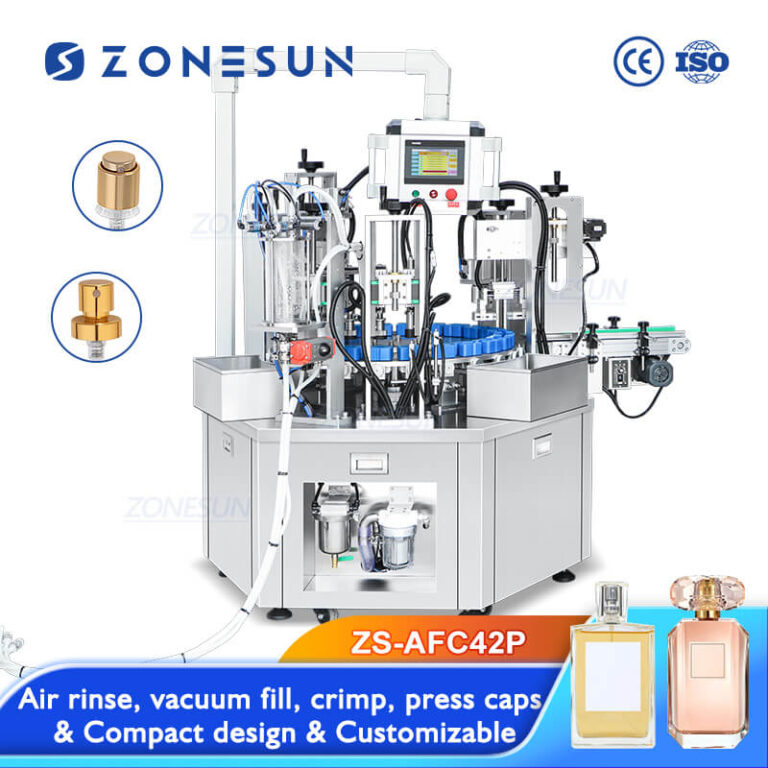
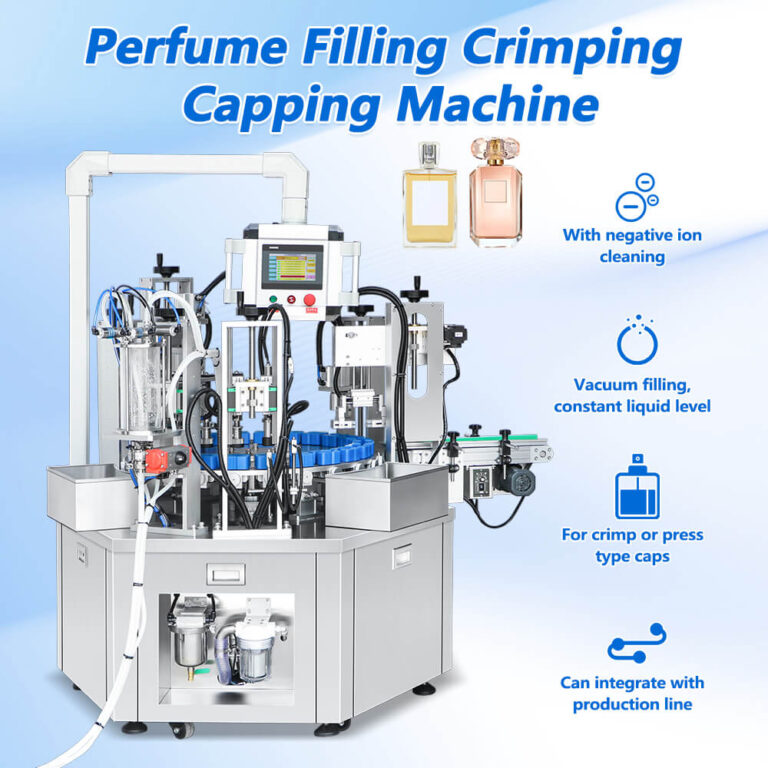
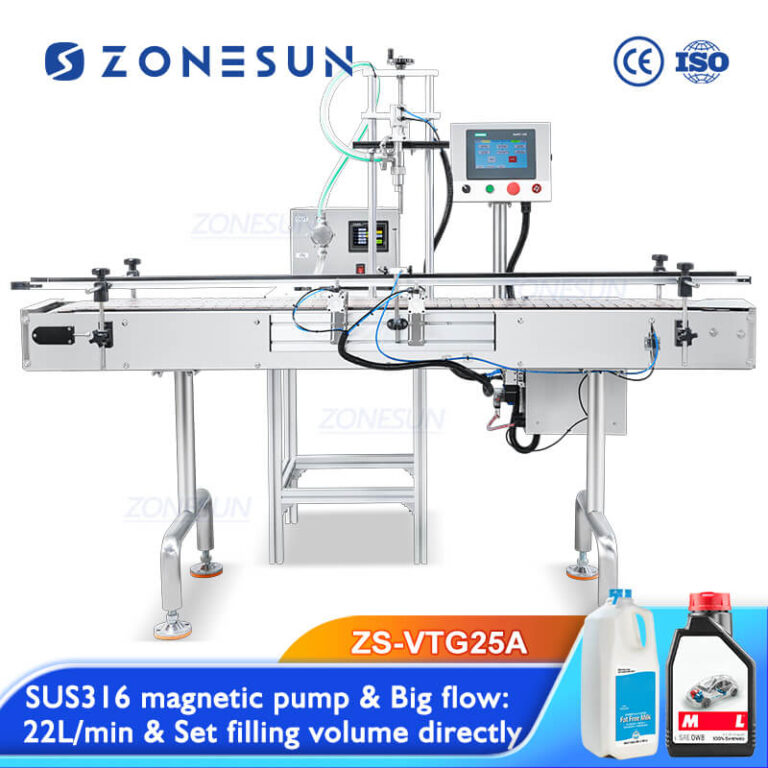
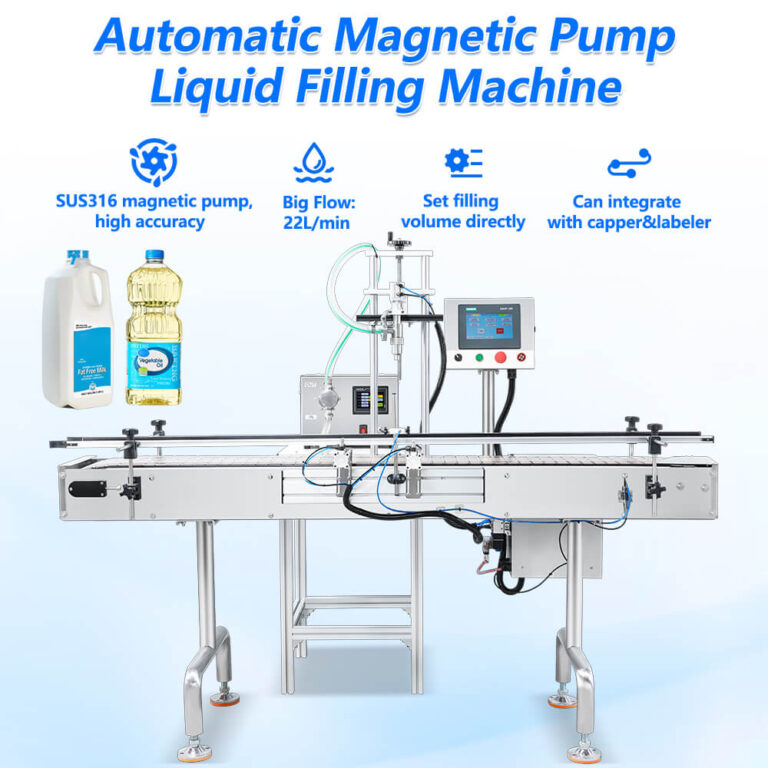
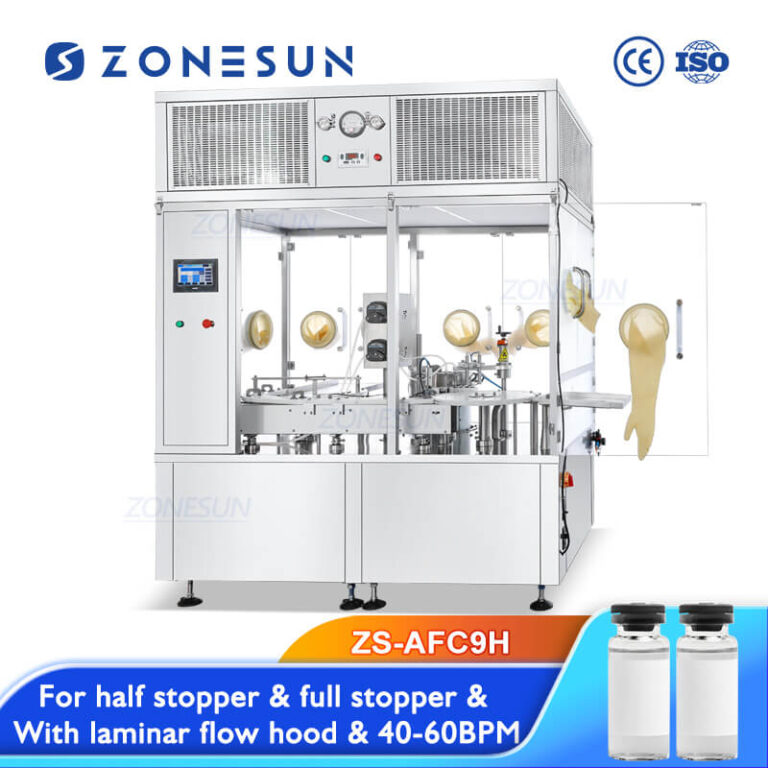
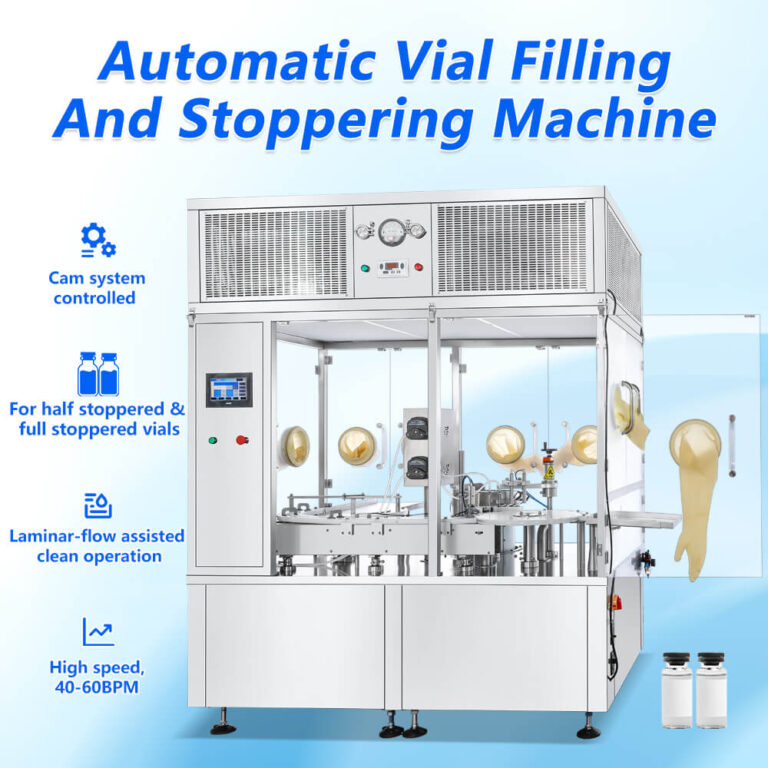
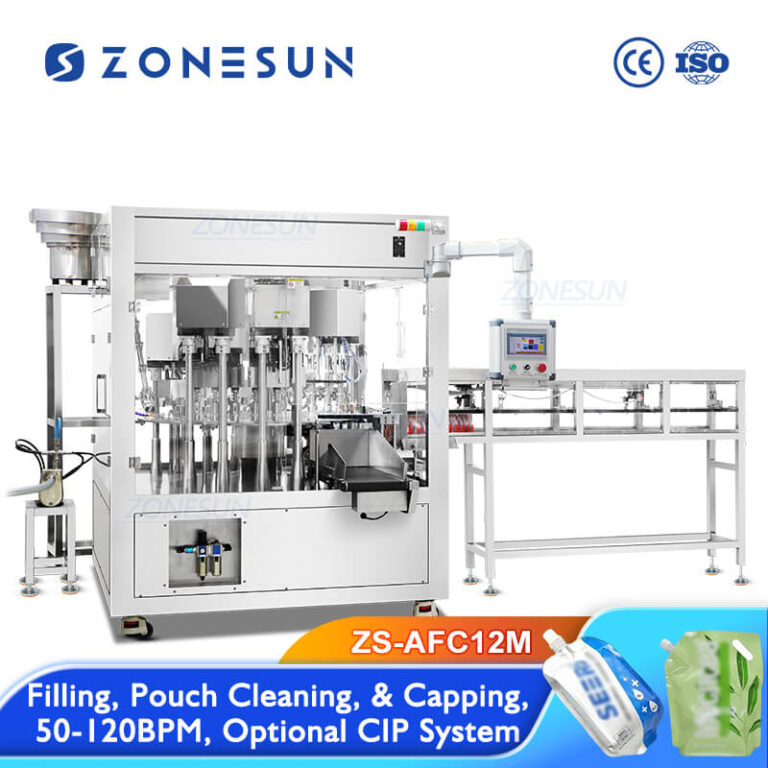
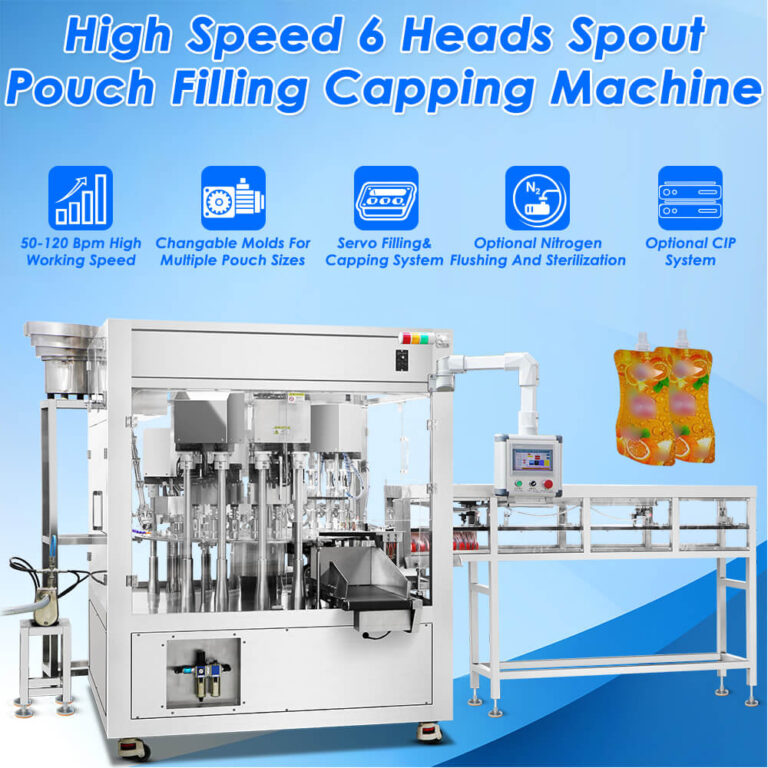
ZONESUN has been making packaging machinery for over ten years, and liquid filling runs deep in the catalogue — everything from a desktop rotary unit for vials up to servo-driven lines for drums and spouted pouches. Current models include:
Certificates
ZONESUN is a certified liquid filling machine manufacturer with CE certifications, conformity certifications, quality management system certifications, and patent certifications. As a manufacturer of these kinds of products, ZONESUN assures quality in products.


FAQ
Same metering families, different sizing. Paste machines run wider ports, higher-viscosity pumps and often a heated hopper. Liquid machines optimise for flow rate, anti-foam behaviour and drip control.
Flow meters, on thin stable liquids — 0.2% or better. Servo pistons hold about ±0.5% across a much wider viscosity band. Net weight wins on verifiability, since the measurement happens on the container itself.
Often yes, with different nozzles and a recipe switch. Check the stated fill range and nozzle travel first. A unit specced for 50–1,000 ml will not magically produce a decent 5 ml fill, whatever the brochure suggests.
Fifteen to thirty minutes on a machine with quick-release nozzles and recipe memory, rinse included. On a machine where every part is bolted on, call it an hour and a second pair of hands.
Look for 304 or 316 stainless wetted parts, food-grade seals, and a design you can clean without tools. CE marking and ISO 9001 certification tell you something about the manufacturer’s process, but your auditor will care about the specific contact materials.
Conclusion
Pick metering for your product. Size the frame for your container and your realistic speed. Pay for the changeover convenience you will genuinely use. In that order, the machine outlives the product line you bought it for.
Still weighing piston against servo against flow meter? Send a product sample and your container. We will run the fill test and hand you the accuracy figure for your exact combination — before you commit to anything.